What Is Secondary Steelwork and Why Is It Important in Construction?
Understanding the Role of Secondary Steelwork in Modern Building Projects
Why Steel Is Central to Infrastructure Development
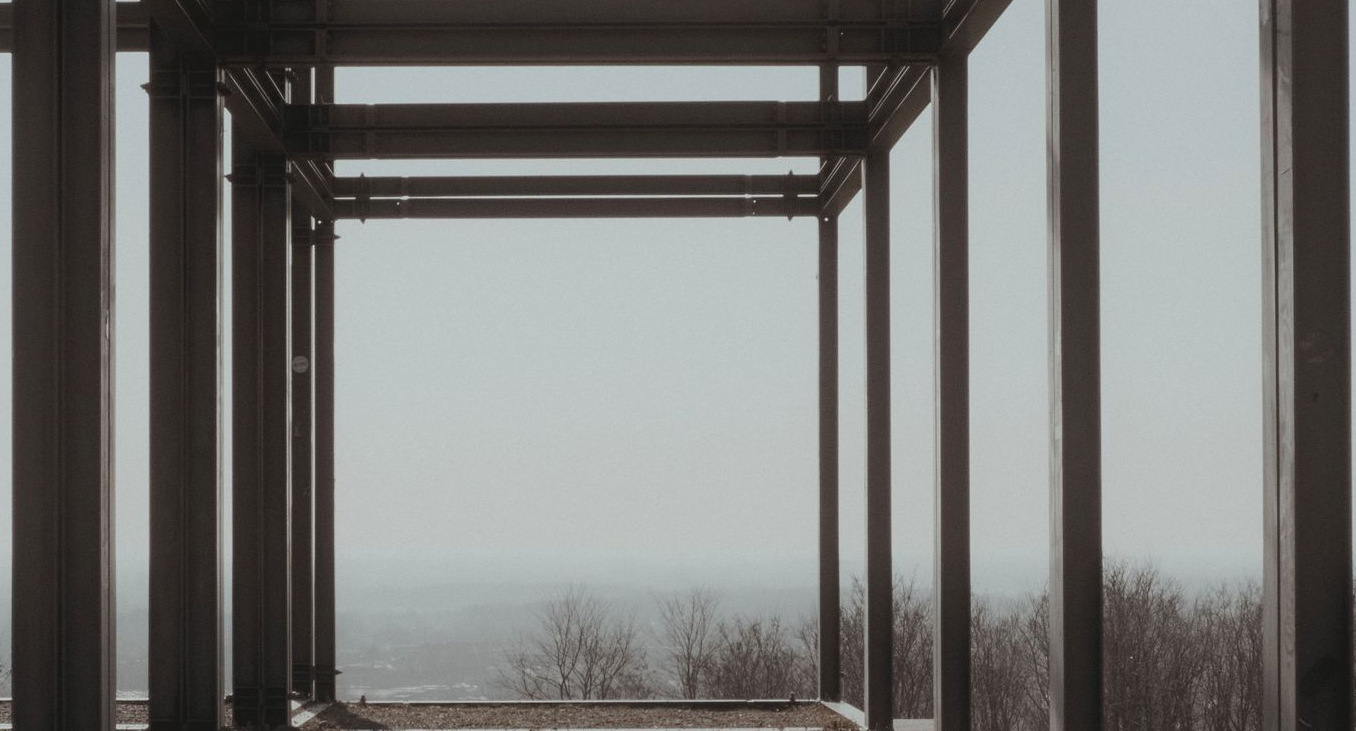
When people think about structural steel, they often picture large primary beams and columns forming the skeleton of a building. While these elements are essential, secondary steelwork plays an equally important role in ensuring a structure is safe, functional and ready for completion.
In this guide, we explain what secondary steelwork is, where it is used, and why it is such a critical part of commercial and industrial construction projects.
What Is Secondary Steelwork?
Secondary steelwork refers to the steel components that support the primary structural frame but are not considered the main load bearing elements of the building.
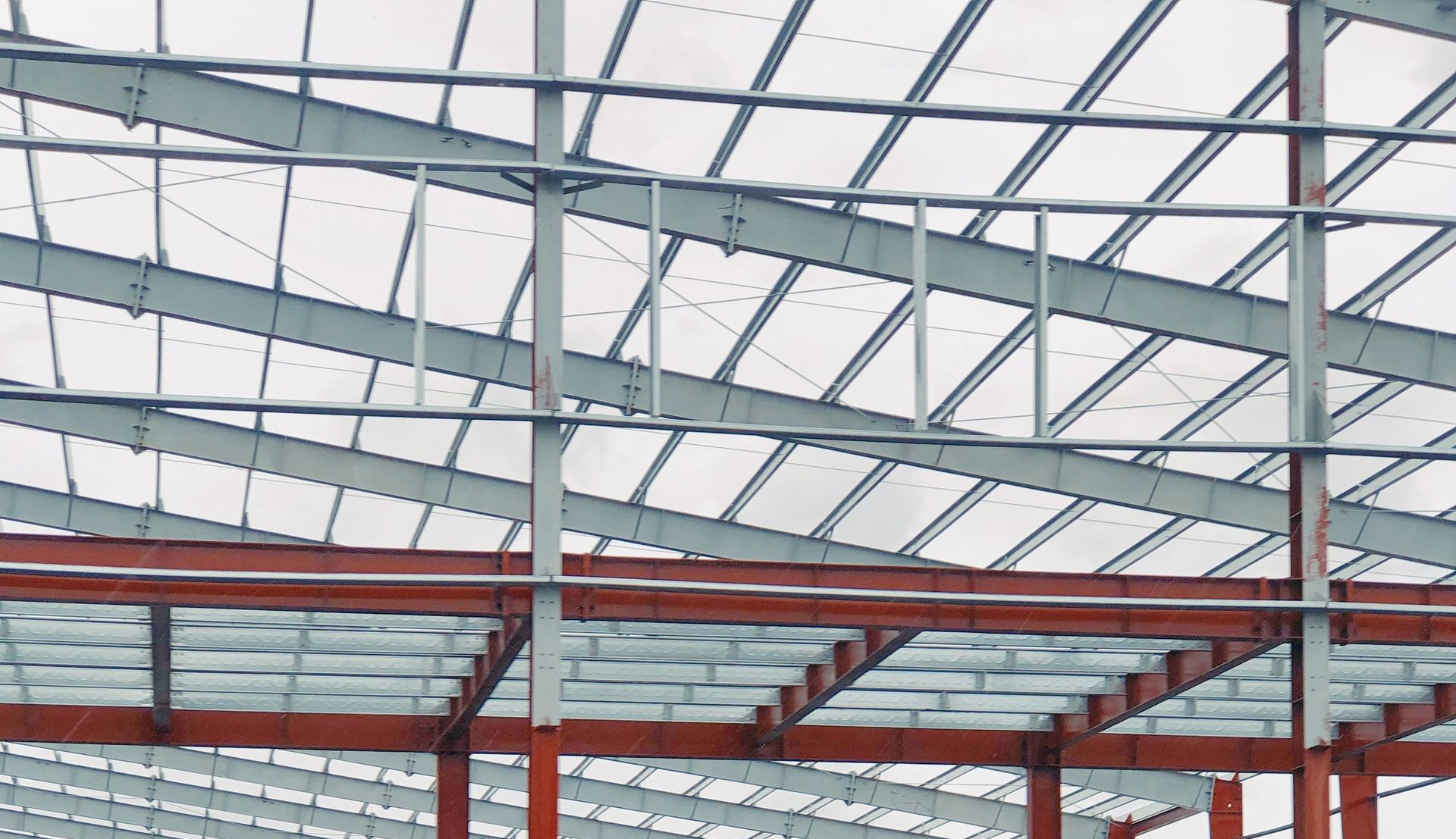
While primary steelwork includes the main beams, columns and structural frame, secondary steelwork typically includes:
- Purlins and side rails
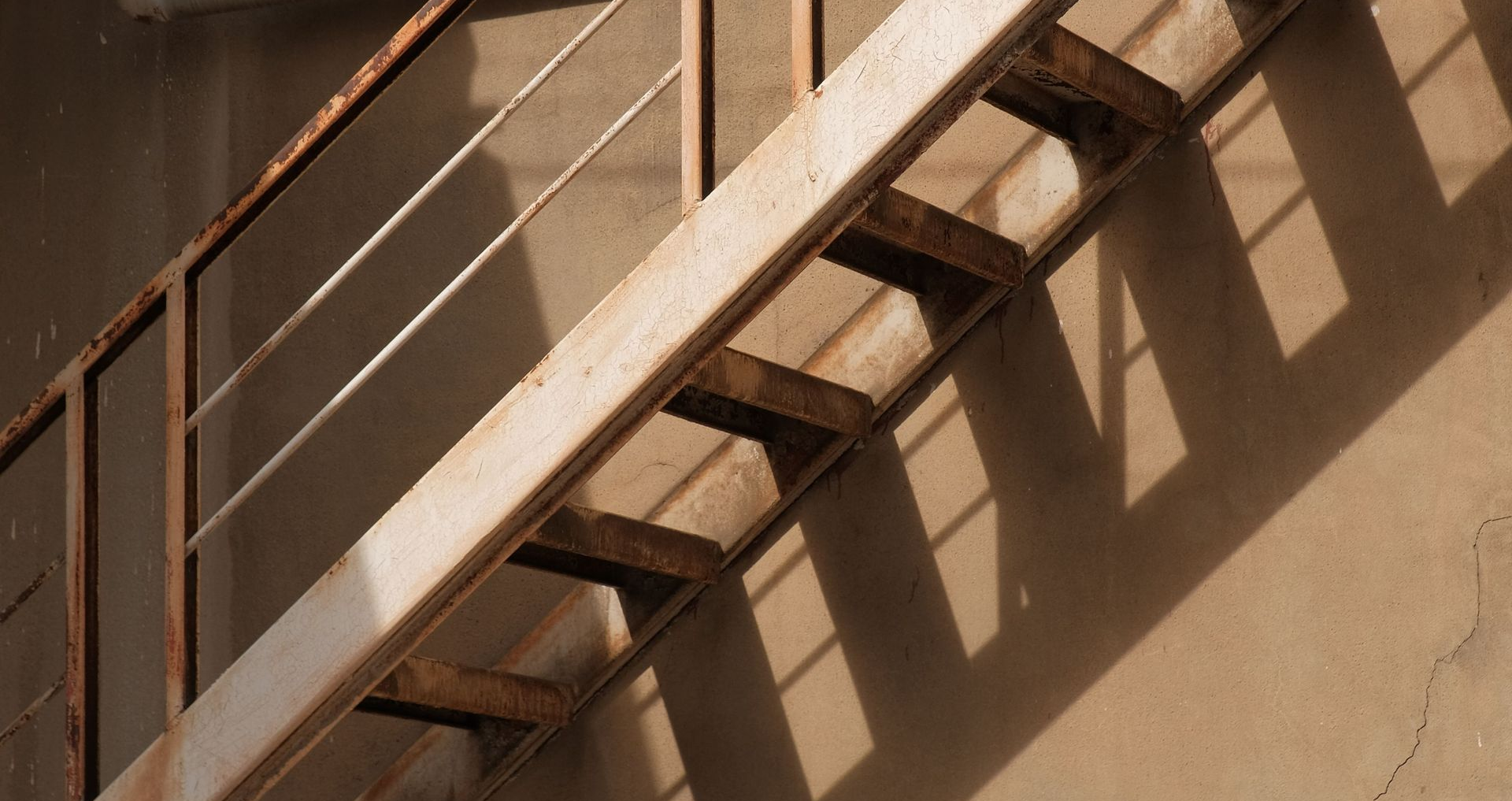
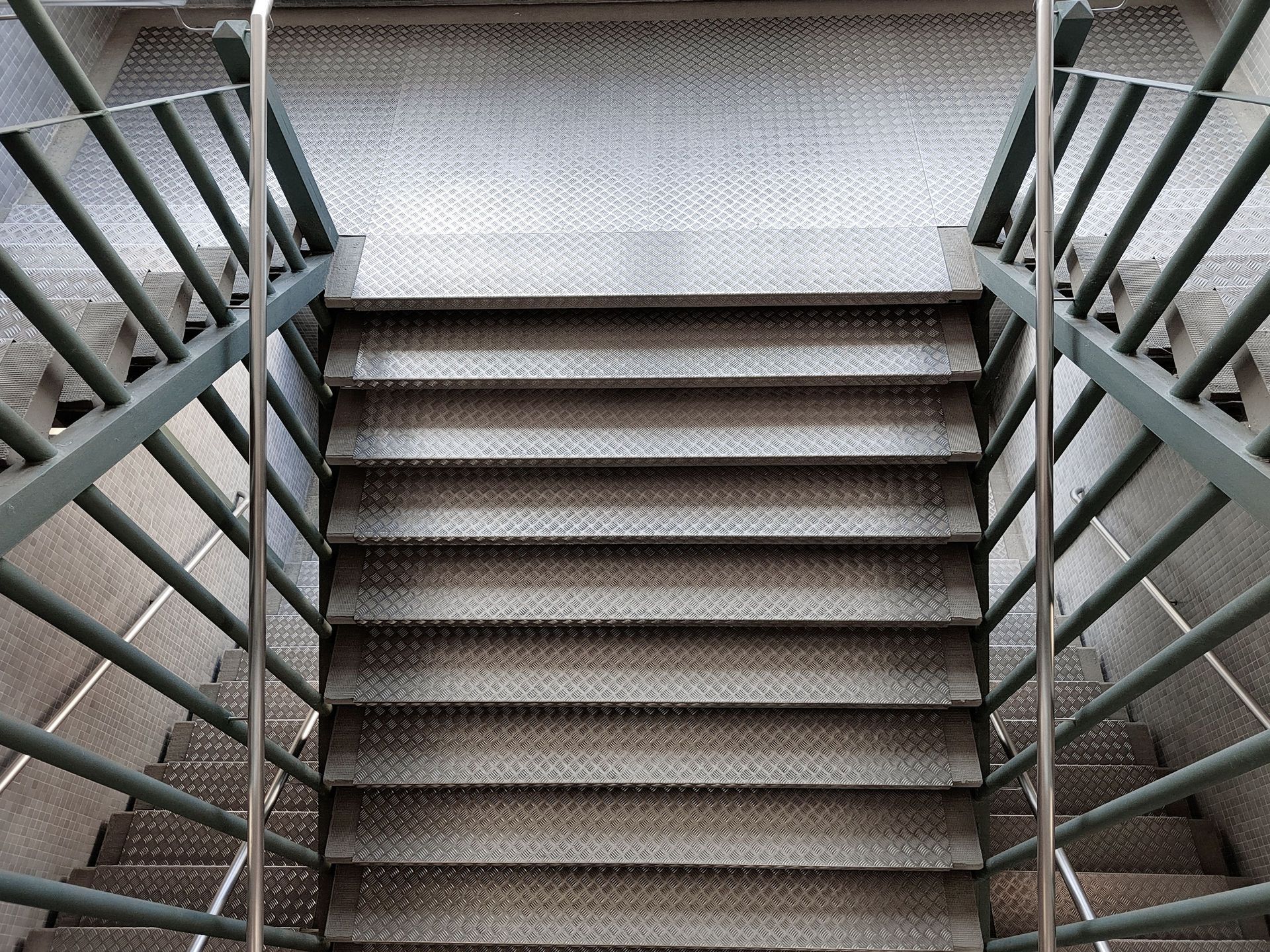
- Staircases and balustrades
- Mezzanine floors
- Platforms and access structures
- Steel supports for cladding and roofing
- Secondary beams and bracing
Although secondary steelwork does not usually carry the main structural loads of a building, it plays a vital role in stability, functionality and safety.
Where Is Secondary Steelwork Used?
Secondary steelwork is used across a wide range of sectors, including:
Commercial Buildings
Office blocks, retail units and hospitality venues often require staircases, plant platforms and support steel for façade systems.
Industrial Units and Warehouses
Mezzanine floors, access walkways and support frameworks for machinery are common examples of secondary steel structures.
Education and Healthcare Projects
Secondary steel is often used for extensions, plant rooms, internal modifications and external access solutions.
In many cases, secondary steelwork is the difference between a structural shell and a fully operational building.
Why Is Secondary Steelwork Important?
1. Structural Support and Stability
Secondary steel elements help distribute loads and reinforce the main frame, improving overall structural performance.
2. Improved Functionality
Features such as mezzanine floors and access platforms maximise usable space and improve workflow within commercial and industrial buildings.
3. Safety and Compliance
Well fabricated staircases, handrails and access systems ensure compliance with UK building regulations and health and safety standards.
4. Precision Integration
Secondary steelwork must align perfectly with the primary frame. Accurate fabrication ensures smooth installation on site, reducing delays and costly adjustments.
The Importance of Quality Fabrication
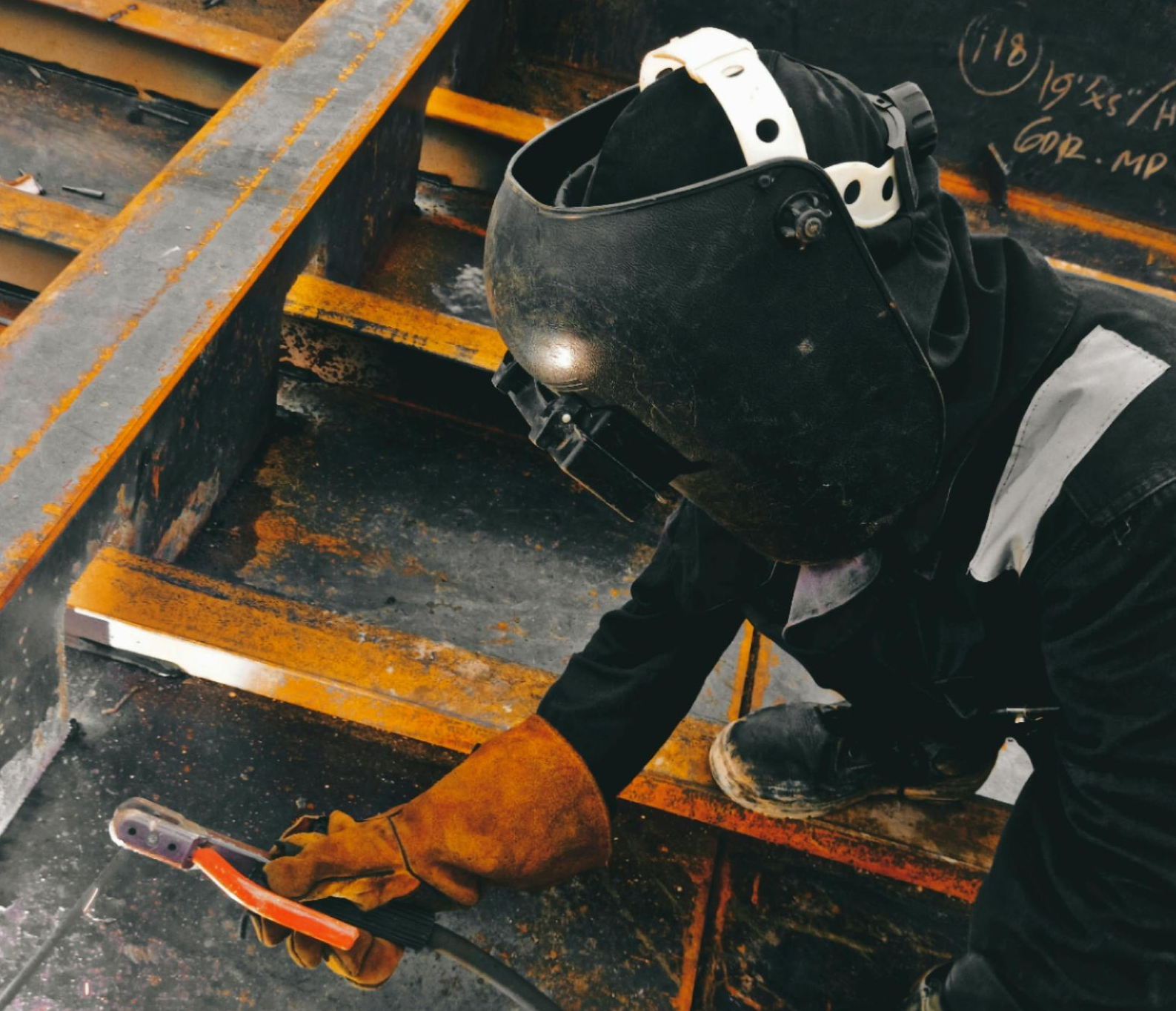
Secondary steelwork requires the same level of precision as primary structural steel. Accurate cutting, drilling, welding and finishing are essential to ensure:
- Proper alignment with the main structure
- Safe load transfer
- Long term durability
- Efficient installation
Working with an experienced steel fabrication company ensures that all components are manufactured to specification and delivered ready for installation.
Supporting Commercial and Sub Contract Projects
Secondary steelwork is often delivered as part of larger structural packages or as specialist sub contract work. Having access to reliable steel processing and fabrication services helps main contractors manage workload, maintain programme deadlines and meet project specifications.
From stair cores and platforms to support frames and mezzanines, professionally fabricated secondary steelwork ensures projects progress efficiently from structure to completion.
Need Support With Secondary Steelwork?
Whether you require bespoke platforms, mezzanine floors or support steel for a commercial development, high quality fabrication is key to a successful project.
If you are looking for dependable steel fabrication support for your next build, speak to the team at MAK Structures today.